



Limited Company Buy to Let, With Finance and Accountancy Working Together

More landlords are choosing to invest through a limited company. We arrange the mortgages, and our sister accountancy practice can advise on whether the structure suits you, so you get joined-up advice from the start.

Why Landlords Use Limited Companies

A Different Way to Hold Rental Property

Since tax relief on mortgage interest for individual landlords was restricted to a basic-rate tax credit, many higher-rate taxpayers have seen their rental profits fall. A limited company can generally treat mortgage interest as a business expense before calculating profit, and pays corporation tax rather than income tax on that profit.

For some landlords, particularly higher and additional-rate taxpayers and those planning to build a portfolio and reinvest profits, this can make a meaningful difference over time. Limited companies can also help with longer-term planning, such as bringing family members into the business.

It is not right for everyone. Extracting profits from a company can create further tax, mortgage rates and fees are often slightly higher, and moving properties you already own into a company can trigger Stamp Duty Land Tax and Capital Gains Tax. The decision needs proper tax advice based on your circumstances.

How Limited Company Mortgages Work

What Lenders Look For

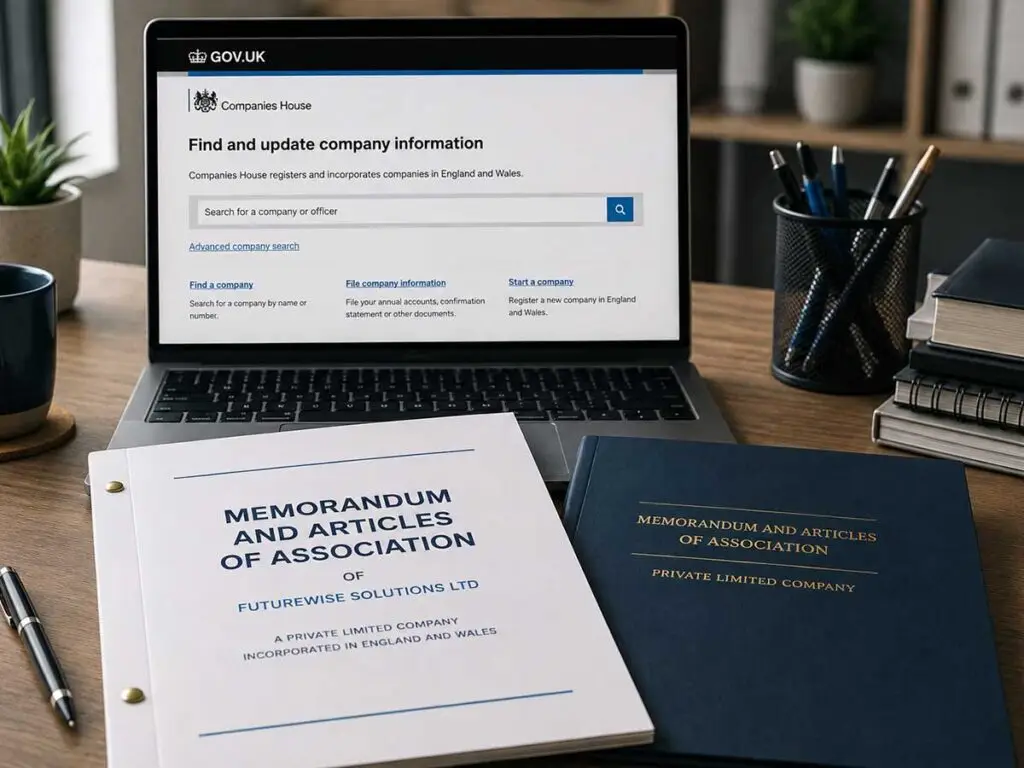
Most lenders prefer to lend to a special purpose vehicle (SPV): a limited company set up solely to buy, let and manage property. They typically look for one of the standard property SIC codes registered at Companies House, such as 68100, 68209 or 68320.

Key features usually include:

Some lenders also accept trading companies or companies with multiple shareholders and more complex ownership structures, which is where specialist knowledge of the market is invaluable.

Finance adviser and client reviewing commercial property plans at a desk
The Futurewise Advantage

Structure First, Then Finance

This is where being part of the Futurewise group really counts. Many landlords set up a company because they heard it saves tax, only to discover later that it did not suit their situation, or that the company was set up in a way lenders do not like.

We can coordinate with Futurewise Accountancy (or your own accountant) so that tax advice on the structure and the mortgage arrangements fit together. That can include setting up the company with the right SIC codes and shareholdings, considering how existing properties might be transferred, and planning how you will draw income in future. Once the structure is agreed, we find lenders whose criteria suit it.

If you already own a company that was set up some time ago, we can review whether it is likely to meet lenders’ expectations before you apply, and flag anything that may need attention, such as SIC codes, shareholdings or other trading activity within the company.

Please note: Futurewise Finance does not give tax advice. Tax advice is provided separately by Futurewise Accountancy or your own accountant.

Growing a Company Portfolio

Finance for Your Next Purchase, and the One After

As your company portfolio grows, lenders will want to see the whole picture: property schedules, rental income, existing borrowing and company accounts. We help you present this clearly and keep track of when each mortgage deal ends, so you can refinance at the right time and release equity for further purchases.

We also arrange bridging finance for auction purchases and refurbishments made through your company, with a planned exit onto a limited company buy to let mortgage.

FAQs

Frequently Asked Questions

Yes, but it is usually treated as a sale, which can trigger Stamp Duty Land Tax and Capital Gains Tax. Take tax advice before deciding.

Almost always. Lenders typically require personal guarantees from directors and significant shareholders.

Rates and fees can be slightly higher, but the gap has narrowed, and more favourable stress tests can offset some of the difference.

Related pages

Explore more of what we offer

How it works

Working With Us Remotely

We work with clients in every corner of the UK, and almost all of our work is carried out online.

Free initial consultation

A short call or video meeting to understand what you want to achieve and what your finances look like.

Online meetings

Talk to your adviser by video or phone at a time that suits you, including [EVENINGS / WEEKENDS, CONFIRM].

Secure document upload

Send payslips, bank statements and accounts through our encrypted portal the moment you have them.

Electronic ID verification

Confirm your identity online in minutes.

E-signatures

Sign your paperwork digitally, from your phone if you like.